Pain is something everyone experiences, yet it affects each of us differently. You might wonder why two people with the same injury can have completely different levels of discomfort or why pain sometimes lingers long after tissues have healed. The answer lies in the biopsychosocial model, a modern, compassionate way of understanding pain that looks beyond the body alone. Instead of viewing pain purely as a physical problem, this approach recognises the powerful connection between the body, mind and environment. By exploring these links, we can better understand why pain behaves the way it does and how therapies like massage fit into a holistic approach to wellbeing.
The Biopsychosocial view of pain
Traditionally, pain was seen as a simple signal from the body to the brain, however research shows it’s far more complex. The biopsychosocial model was introduced in 1977 by George Engel to highlight that health involves more than biology and pain is a perfect example of this.
The biological side of pain includes what’s happening in the body, injuries, inflammation, nerve sensitivity, hormones, immune responses, genetics, sleep, movement, and lifestyle choices. These factors all influence how intensely we feel pain. Psychological factors are just as influential, how we think and feel can shape the experience dramatically. Stress, anxiety, uncertainty, low mood, and fear can amplify pain, while reassurance, hope and confidence can help reduce it. Our thoughts and emotions act like a volume dial for the nervous system. The social side involves the world around us, our relationships, support systems, work life, finances, cultural beliefs and daily environment. Feeling supported, understood and safe helps the body relax and heal. Feeling overwhelmed or alone can make pain feel heavier.
Chronic primary pain and the mind–body connection
Within this model, chronic primary pain refers to pain that lasts or reoccurs for longer than three months and begins to affect daily life and emotional wellbeing. This type of pain isn’t just about injured or damaged tissue. Instead, it’s shaped by ongoing communication between the brain, nervous system, body and surrounding environment.
Long-term pain can deeply affect sleep, mood, concentration and overall quality of life. When pain continues, the nervous system sometimes becomes more sensitive, meaning pain signals are amplified. Everyday sensations such as movement, touch, light or sound may start to feel more intense. Understanding this mind–body connection can help people feel more empowered and less confused about why their pain behaves the way it does. If you’d like to know more you can read my chronic pain blog
How massage supports this approach
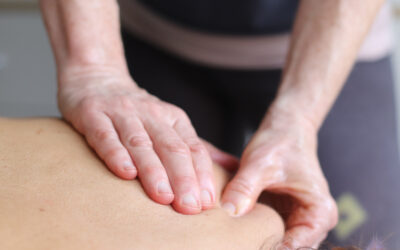
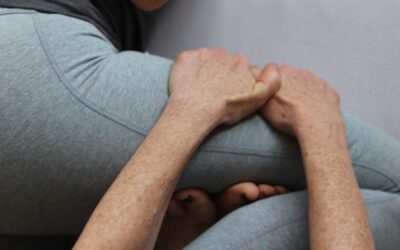
Massage therapy fits naturally into the biopsychosocial model because it supports biological, psychological and social wellbeing at the same time.
Biologically, massage works with the body’s natural systems. Supportive touch increases body awareness, calms the nervous system, reduces stress hormones and influences how pain is processed. It can also help reduce muscle tension and support healthy local circulation.
Psychologically, massage offers a space to relax, supports mental wellbeing. Reducing physical tension can ease emotional tension and many people experience a sense of calm, clarity or relief after a session.
Socially, the therapeutic relationship plays an important role. Feeling listened to, respected and understood can ease stress and improve treatment outcomes. Your wider environment, cultural beliefs and daily pressures also shape your pain experience and massage provides a supportive, reassuring space within that context.
Understanding pain through the biopsychosocial model helps us move away from the idea that pain is solely a physical problem. Instead, it reminds us that pain is influenced by the whole person, body, mind, and environment. This perspective opens the door to more compassionate, realistic and effective care. Massage is one meaningful way to support this holistic approach, helping people feel calmer, more connected and better able to manage their pain.
If you’re curious about how massage therapy can support your wellbeing or if you’re experiencing ongoing pain feel free to get in touch. You can contact me contact me via email or on 07739155807. All the treatments I offer are suitable and can be adapted to benefit you.