Menopause occurs when menstrual periods stop due to a drop in the hormones oestrogen, progesterone and testosterone, marking a major life transition. It usually happens between ages 45 and 55, though it can occur earlier. Menopause may also result from surgery or cancer treatment and anyone who has had a hysterectomy, uses hormonal IUDs, or experiences amenorrhea, the absence of period, may notice symptoms from shifting hormones. Even without menstrual changes, other symptoms can still greatly affect quality of life. Perimenopause refers to the transitional stage when symptoms begin but periods have not yet stopped, while post-menopause is defined as 12 months without a period.
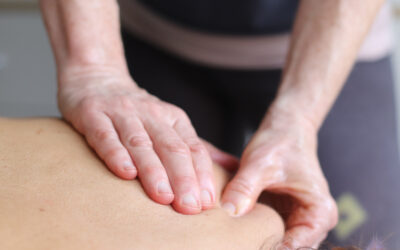
Physical symptoms often include hot flushes, night sweats, sleep disruption and heart palpitations. Hormonal changes can affect skin and hair, causing dryness, sensitivity and reduced elasticity. Lower oestrogen and testosterone can decrease muscle mass, potentially leading to fatigue and tightness, while hormone fluctuations may heighten pain sensitivity. Oestrogen supports musculoskeletal health, so as levels fall, joints can stiffen, muscles may feel tense and connective tissue such as fascia can lose flexibility, leading too stiffness and pain. Progesterone changes also influence relaxation and pain tolerance. Massage can help by easing muscular pain and tension, as well as calming the nervous system, therefore decreasing “central sensitization” where the nervous system becomes hyper-reactive to pain.
Headaches and migraines often become more frequent. Massage focused on the neck, shoulders and head can ease tension type headaches and reduce migraine intensity. If you clench or grind your jaw, experience TMD or TMJ pain, massage around the neck, shoulders and face, including gentle intra-oral (inside the mouth) techniques, can bring relief.
Massage also activates the parasympathetic nervous system, the “rest and digest” response, which helps slow the heart rate and steady breathing. This often leads to deeper relaxation and better sleep, which can improve emotional resilience, focus and coping ability. It promotes the release of “feel-good” neurotransmitters including serotonin and dopamine, enhancing feelings of wellbeing. At the same time, massage lowers cortisol, the main stress hormone, easing irritability, anxiety and overwhelm, while supporting immune function. Although it doesn’t directly change hormone levels, it helps the body adapt to hormonal shifts by reducing stress.
Equally important, massage provides a safe and supportive space. Menopause can feel isolating and many experience changes that are rarely discussed. A private, respectful and non-judgemental environment allows clients to feel heard, understood and validated. This sense of care and acknowledgement can be deeply reassuring, helping women feel more comfortable, balanced and confident in their changing bodies.
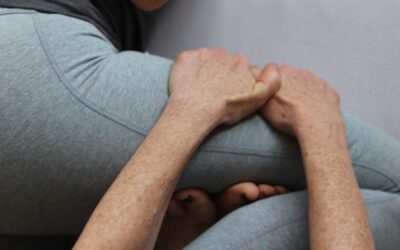
As well as massage I also offer Reflexology, this is a natural, holistic therapy that works by applying pressure to reflex areas of the feet. A study has observed that those receiving Reflexology had improved sleep quality and decreased fatigue. It has many of the same benefits as massage, is perfect for ease of accessibility and is deeply relaxing
In addition…
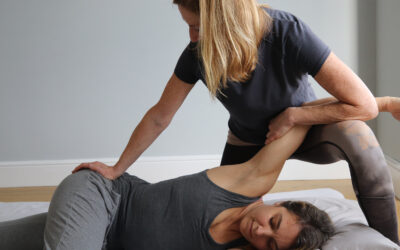
A study looked at whether traditional Thai massage could affect bone health in postmenopausal women. In a randomised crossover trial, researchers measured markers in the blood that show how bones are being formed and broken down. They found that Thai massage increased a particular marker of bone formation. The effect was especially noticeable in older postmenopausal women with a smaller body build, possibly due to the increased frequency of repetition during the course of the massage. Bones respond positively to mechanical loading such as during exercise and Thai massage applies rhythmic pressure to the body, which may gently stimulate the skeleton in a similar way, supporting bone formation.
Contact me on jane@massage-brighton.com or 07739155807 if you’d like to know more on how massage and Reflexology can help with physical and emotional changes you may be experiencing during menopause. Clinical / deep tissue massage, Thai massage, MFR and Reflexology are all beneficial, it’s possible to book on-line for all treatments.